I'm Ari Bader-Natal. I design, build, and operate online learning environments that help people gain access to new opportunities and create new futures.

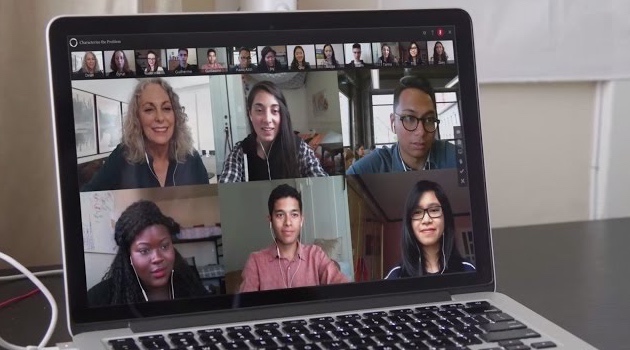
 I am co-founder and CTO at Sparkwise. Sparkwise ignites your team's skill growth with interactive group challenges that spur real-time practice, feedback, and human connection.
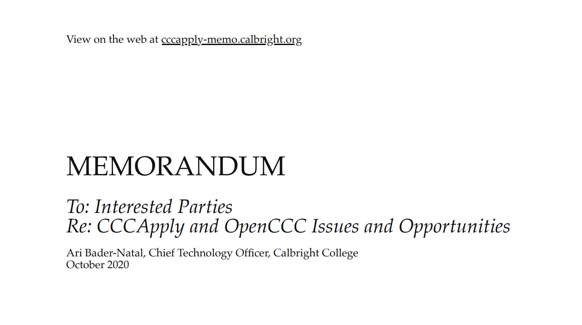
 From 2019-2021, I served as the founding CTO at Calbright College.
Calbright is a fully-online competency-based college in the California Community Colleges system designed for working adults who lack easy access to traditional forms of higher education.
From 2019-2021, I served as the founding CTO at Calbright College.
Calbright is a fully-online competency-based college in the California Community Colleges system designed for working adults who lack easy access to traditional forms of higher education.
 Before this, I served as Chief Learning Scientist at Minerva Project. I joined Minerva as Employee #1 in 2012, and spent 7 years creating new tools to support learning and teaching, including Minerva's first Active Learning Forum, tools for formative assessment, and collaborative curriculum authoring system.
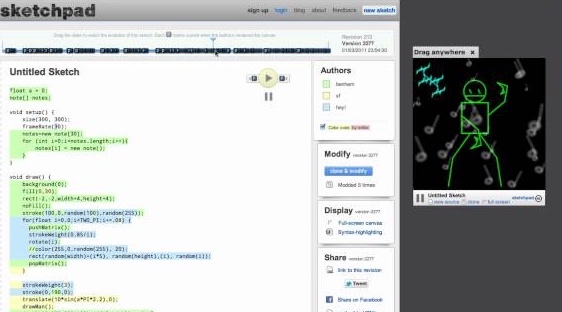
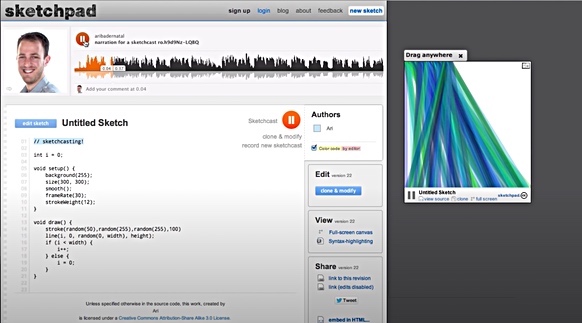
 In 2010, I built Studio Sketchpad, a place for creative coders to collaboratively create interactive animations in Processing (and later P5.js.) In addition to serving as a venue for informal learning, Sketchpad has been used by 100+ universities, high schools, and coding workshops. Notably, this service has been operating for over 13 years.
You could describe my work as "learning engineering."
- Web: Ultrafast web framework for the Edge
- Repo: zengm-games/facesjs
- Repo: heyform/heyform
- Web: Build LLM apps: no code + dev tools that work together
- Web: Machine
- Web: AI and Creative Learning: Concerns, Opportunities, and Choices
- Web: What just happened, what is happening next
- Web:
- Web: Introducing Xmrit
- Web: Gallery : Airtable
- Tweet: mutable.ai (mutableai)
- Web: My advice for how to use LLMs in your product.
- More: favorites.aribadernatal.com


October 2020
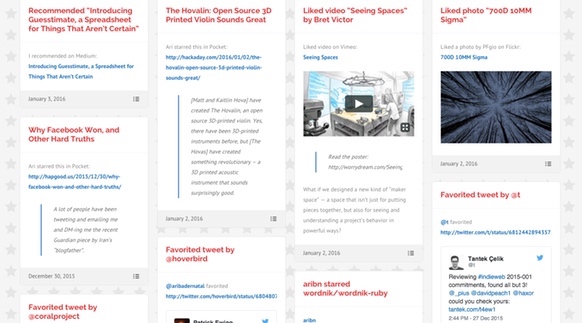
favorites.aribadernatal.com
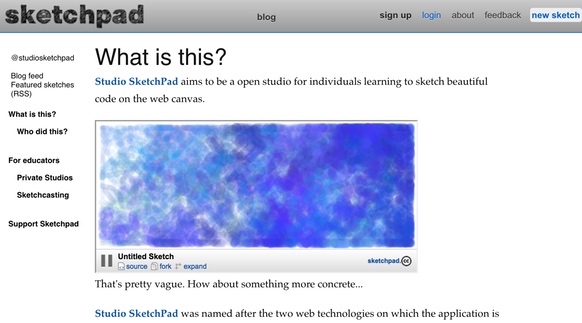
blog.sketchpad.cc
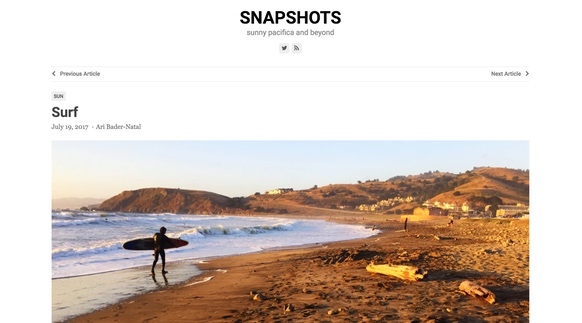
snapshots.aribadernatal.com
Bader-Natal, A.

Bader-Natal, A., Fost, J., and Genone, J.
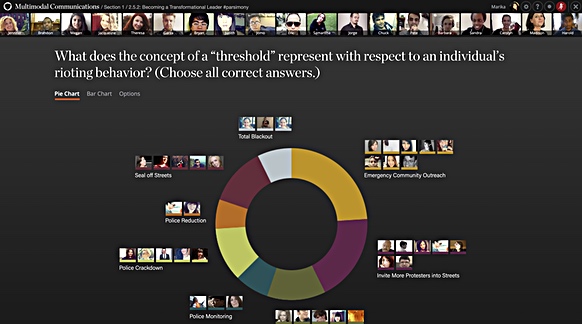
Katzman, J., Regan, M., and Bader-Natal, A.
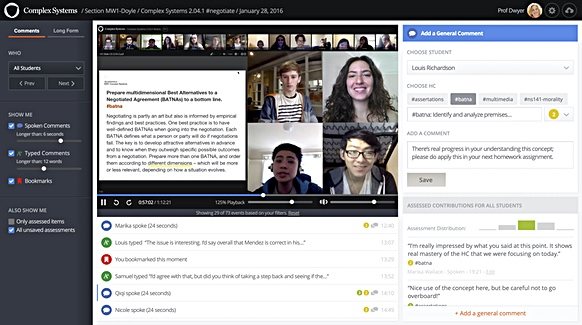
Levitt, R., Bader-Natal, A., and Chandler, V.
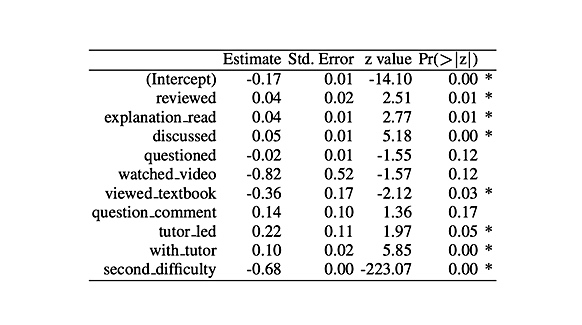
Bader-Natal, A., Lotze, T., and Furr, D.
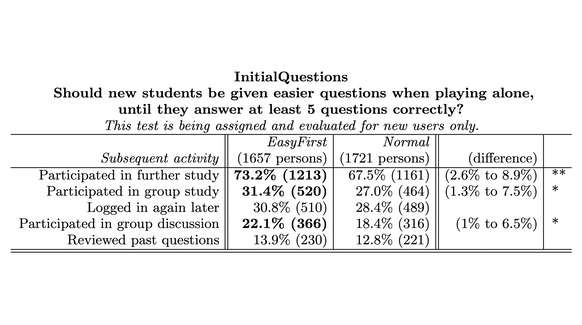
Bader-Natal, A. and Lotze, T.
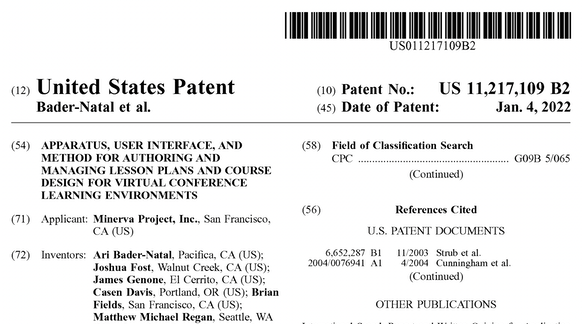
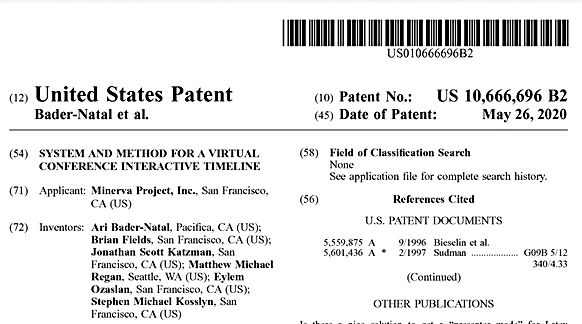
Patent issued on May 26, 2020
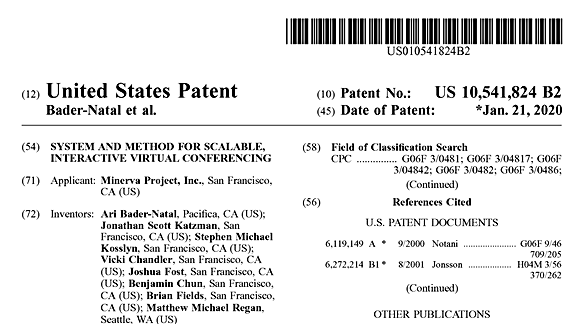
Patent issued on January 21, 2020